


Case Studies
We provide a tailored approach to each business we work with. These representative projects show how we assess the full picture, build a practical roadmap, and provide the level of support needed to move the work forward.
CASE STUDY 01 ● RETAIL LAUNCH
Brick-and-Mortar Boutique Launching Online

Engagement Structure
Initial: Strategy and roadmapping development
Continued: Fractional guidance through setup, launch, and early optimization.
Starting Point
An established retail store preparing to launch their first online selling channels
The Process
01 » Define Realistic Targets
Established 1- and 5-year online revenue goals using in-store sales, competitive research, target customer segments, and an expected visibility ramp-up period.
02 » Evaluate Sales Channels
Compared potential sales channels based on customer fit, revenue opportunity, cost structure, margin potential, and setup complexity.
03 » Build the Launch Roadmap
Created a phased plan covering product data, integrations, inventory, assortment, fulfillment, customer service, and essential website and marketing content.
Key Deliverables
A phased launch plan, prioritized implementation sequence, and defined operational, technology, content, and resource requirements.
CASE STUDY 02 ● E-COMMERCE OPTIMIZATION
Turning Disconnected Activity Into a Growth Strategy

Engagement Structure
Initial Engagement: Strategy and roadmap development
Continued Support: Fractional e-commerce leadership supporting performance analysis, partner coordination, strategic priorities, and implementation
Starting Point
An established e-commerce business investing across its website, marketplaces, and marketing channels without a clear view of what was driving—or limiting—performance.
The Process
01 » Establish a Unified Performance View
Consolidated sales and marketing performance to evaluate revenue, traffic, conversion, customer behavior, profitability, and channel efficiency across the business.
02 » Identify Cross-Channel Constraints
Reviewed the customer journey, digital merchandising, pricing, inventory, and operational processes to uncover issues that channel-specific reporting could not reveal.
03 » Build the Growth Roadmap
Created a prioritized plan connecting website improvements, marketplace strategy, agency activity, internal resources, and measurable performance indicators.
Key Deliverables
A unified performance framework, prioritized growth roadmap, and defined success measures connecting channel activity with the larger goals and operational capacity of the business.
CASE STUDY 03 ● COMMERCE OPERATIONS
Building Scalable Operations Across Multiple Brands and Channels

Engagement Structure
Initial: Process and systems evaluation
Continued: Cross-functional implementation support coordinating merchandising, creative, operations, and outside partners
Starting Point
A company managing several consumer brands across e-commerce sites, marketplaces, and major retail partners, with inconsistent product data and launch processes creating delays and duplicate work between channels.
The Process
01 » Map the Existing Workflow
Reviewed how product information, pricing, imagery, inventory, and merchandising content moved from internal teams to each sales channel.
02 » Identify Gaps and Ownership
Documented channel requirements, data inconsistencies, process gaps, and unclear responsibilities contributing to delays, rework, and inconsistent execution.
03 » Standardize Cross-Channel Launches
Developed repeatable product setup and launch workflows defining data requirements, team responsibilities, channel-specific needs, partner handoffs, and cross-functional timelines.
Key Deliverables
Standardized product data requirements, defined ownership and handoffs, and repeatable launch workflows designed to improve readiness and consistency across brands and sales channels.
CASE STUDY 04 ● SYSTEMS IMPLEMENTATION
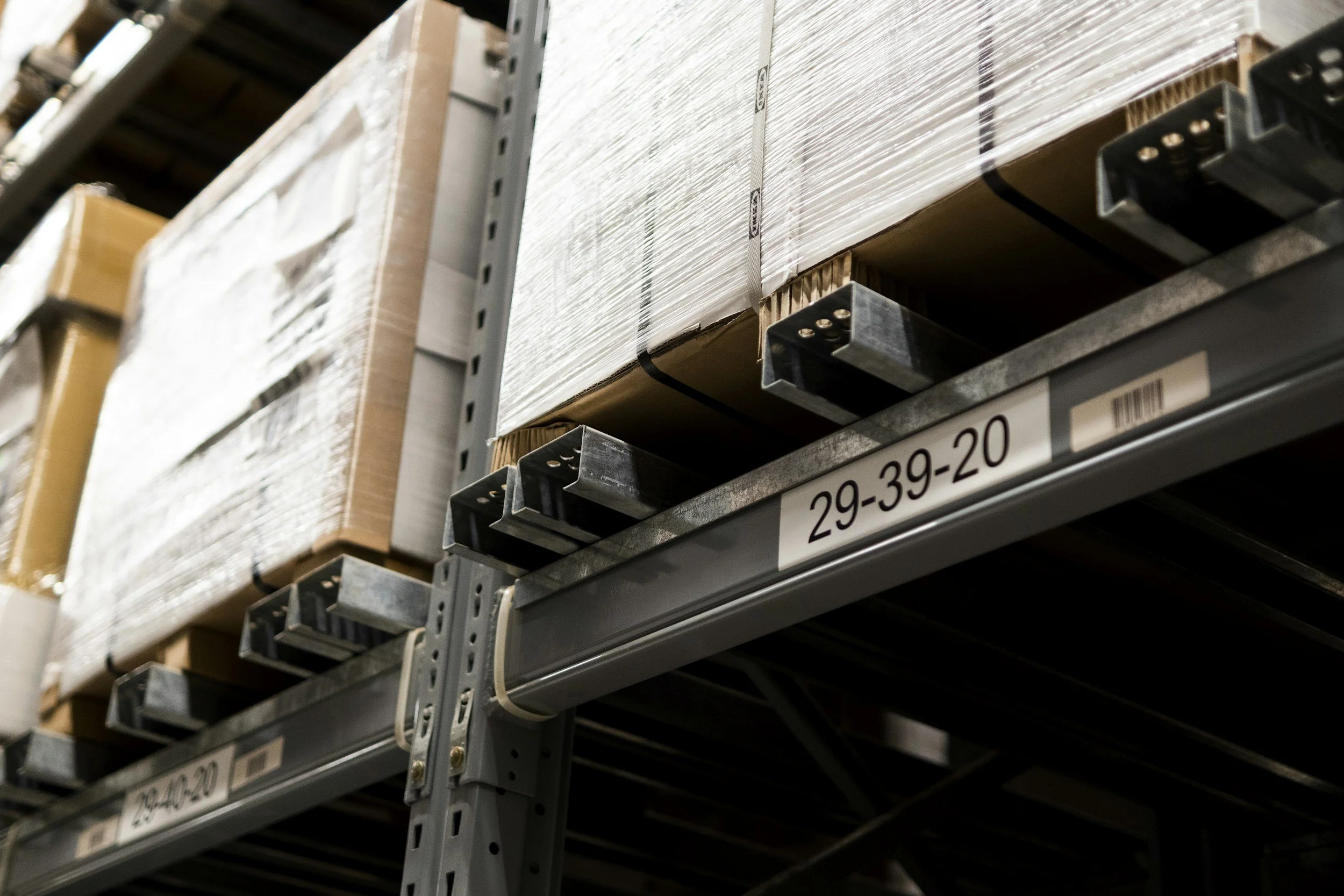
Growing Brand Bringing Fulfillment In-House
Engagement Structure
Initial: Operational design and systems planning
Continued: Cross-functional implementation leadership through testing, launch, and stabilization
Starting Point
A growing multichannel brand preparing to move from third-party fulfillment to an internal warehouse operation, requiring new processes and connected systems to support the transition.
The Process
01 » Design the Future Operation
Documented the existing fulfillment workflow and designed future processes for inventory receiving, storage, order routing, shipping, returns, and purchase orders.
02 » Define Systems Requirements
Mapped the data and process requirements connecting the e-commerce platform, ERP, warehouse system, and retailer EDI and API integrations.
03 » Coordinate Implementation and Launch
Translated operational needs into development requirements, data mappings, acceptance criteria, test cases, launch plans, and internal procedures, then coordinated testing, system cutover, and post-launch issue resolution.
Key Deliverables
Future-state fulfillment workflows, documented systems and data requirements, implementation and testing plans, and internal procedures supporting the transition to in-house operations.
CASE STUDY 05 ● PROFITABILITY ANALYSIS
Marketplace Brand Evaluating Inventory Profitability

Engagement Structure
Initial: Focused inventory and profitability analysis
Optional: Scenario updates, implementation planning, and ongoing performance monitoring
Starting Point
A marketplace-based brand facing declining performance, aging inventory, and rising fulfillment and storage costs without a clear path forward.
The Process
01 » Establish SKU-Level Economics
Consolidated inventory, selling prices, sales history, marketplace fees, storage costs, and projected near-term demand to calculate current margins and break-even pricing by SKU.
02 » Compare Inventory Scenarios
Evaluated the financial tradeoffs of maintaining current pricing, marking down inventory to accelerate sell-through, or removing inventory to avoid additional fees.
03 » Build the Decision Framework
Organized the findings into a SKU-level framework showing which products could support markdowns, which were at risk of generating a loss, and where leadership intervention was most urgent.
Key Deliverables
A SKU-level profitability model, break-even pricing analysis, and scenario-based decision framework designed to help leadership evaluate markdown, hold, or inventory-removal options.
CASE STUDY 06 ● MARKETPLACE ADVISORY
Marketplace Startup Building a Viable Path to Launch

Engagement Structure
Initial: Business model, operational, and platform planning
Continued: Recurring strategic and product advisory through implementation review and launch preparation
Starting Point
An early-stage marketplace concept requiring a viable operating model, defined platform requirements, and a realistic path from idea to initial launch.
The Process
01 » Define the Marketplace Model
Clarified the target customer and vendor experiences, revenue opportunities, operating assumptions, and priorities for the initial market.
02 » Design the Core Operations
Mapped the processes for vendor onboarding, product submission and approval, order management, fulfillment, customer service, commissions, and payouts.
03 »Translate the Model Into a Launch Plan
Converted the operating model into platform requirements, user journeys, team responsibilities, and a focused minimum viable product, then created a phased roadmap separating launch requirements from future features and automation.
Key Deliverables
A defined marketplace operating model, documented platform requirements, minimum viable product scope, and phased roadmap connecting the initial launch with future testing and expansion.